

Embedded computers are the invisible brains behind modern industrial automation. From factory production lines and medical devices to transportation systems and smart kiosks, these compact computing platforms perform dedicated tasks with exceptional reliability. Unlike consumer PCs, an embedded computer is designed for a specific purpose, delivering stable performance in harsh environments while consuming less power.
In this guide, you'll learn what an embedded computer is, how it works, its key components, and why it has become an essential technology across industrial applications.
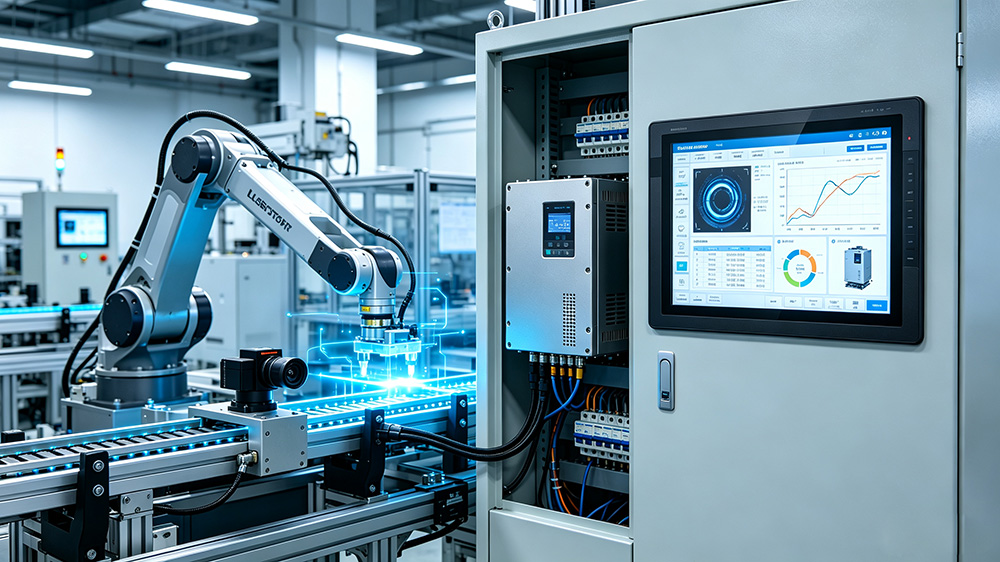
What Is an Embedded Computer?
An embedded computer is a specialized computing system built to perform one or several dedicated functions within a larger machine or device. Instead of serving as a general-purpose computer, it is optimized for specific applications where reliability, efficiency, and long-term operation are critical.
Industrial embedded computers are commonly designed with:
- Fanless cooling for silent operation
- Compact form factors for limited installation space
- Wide operating temperature support
- Low power consumption
- Long product life cycles
- Rich industrial I/O interfaces
These features make embedded computers ideal for continuous 24/7 operation in demanding environments.
How Does an Embedded Computer Work?
Although compact, an embedded computer functions much like a standard PC. The difference lies in its dedicated software and purpose-built hardware.
Hardware Layer
An embedded computer typically includes:
- CPU or System-on-Chip (SoC)
- RAM for temporary data storage
- SSD or eMMC for permanent storage
- Industrial motherboard
- Power management module
- Communication interfaces such as Ethernet, USB, COM, CAN Bus, GPIO, and HDMI
The hardware collects information from sensors, cameras, scanners, or user interfaces.
Operating System
Most embedded computers run lightweight operating systems, including:
- Windows IoT
- Embedded Linux
- Android
- Real-Time Operating Systems (RTOS)
The operating system manages hardware resources and ensures application software runs efficiently.
Application Software
The application software is developed for a specific task, such as:
- Machine vision inspection
- PLC communication
- Data collection
- Human-machine interface (HMI)
- Equipment monitoring
- Edge AI inference
Unlike a desktop PC that runs many unrelated applications, an embedded computer focuses on a defined workload, improving stability and security.

Input, Processing, and Output
The basic workflow follows three steps:
- Input: Sensors, cameras, RFID readers, barcode scanners, or touchscreens send data.
- Processing: The CPU analyzes the information and executes programmed instructions.
- Output: Commands are sent to displays, motors, robots, alarms, or cloud platforms.
This continuous cycle allows industrial equipment to respond quickly and accurately in real time.
Key Components of an Embedded Computer
Processor
The processor is the core of the system. Depending on performance requirements, manufacturers may choose Intel® Core™, Intel Atom®, AMD Ryzen Embedded, or ARM processors.
Memory
RAM temporarily stores data during operation, enabling smooth multitasking and fast response.
Storage
Industrial SSDs or eMMC flash storage provide durable, vibration-resistant data storage compared to traditional hard drives.
Industrial I/O Interfaces
Industrial applications require extensive connectivity, including:
- USB
- RS232/RS485
- Gigabit Ethernet
- CAN Bus
- GPIO
- HDMI
- Wi-Fi and Bluetooth
- 4G/5G communication modules
These interfaces allow embedded computers to integrate seamlessly with industrial equipment.
Advantages of Embedded Computers
Compared with traditional desktop computers, embedded computers offer several advantages.
Compact Design
Small dimensions allow installation inside machines, cabinets, kiosks, vehicles, and production equipment.
High Reliability
Industrial-grade components withstand vibration, dust, humidity, and extreme temperatures for long-term operation.
Low Power Consumption
Efficient processors reduce energy costs while generating less heat.
Fanless Operation
Many industrial embedded computers use passive cooling, eliminating fan failures and reducing maintenance.
Long Product Availability
Industrial manufacturers often provide product life cycles of five to ten years, minimizing redesign costs for OEM projects.
Common Applications
Embedded computers are widely used across many industries.
Industrial Automation
They control production equipment, collect sensor data, and communicate with PLCs for intelligent manufacturing.
Medical Equipment
Medical imaging systems, patient monitoring devices, and diagnostic instruments rely on embedded computing for stable performance.
Transportation
Railway systems, fleet management, intelligent traffic control, and in-vehicle computing all benefit from rugged embedded platforms.
Smart Retail
Self-service kiosks, POS terminals, vending machines, and digital signage use embedded computers for reliable daily operation.
Choosing the Right Embedded Computer
Before selecting an embedded computer, consider the following factors:
- Required processor performance
- Operating system compatibility
- Number and type of I/O ports
- Installation space
- Environmental conditions
- Expansion capabilities
- Long-term product availability
- OEM and customization support
Selecting the right platform helps reduce maintenance costs while ensuring stable operation throughout the equipment's lifecycle.
Conclusion
An embedded computer is much more than a compact PC. It is a purpose-built computing platform designed to deliver reliable, continuous performance for dedicated industrial tasks. By combining specialized hardware, optimized operating systems, and application-specific software, embedded computers enable automation, smart manufacturing, medical systems, transportation, and countless other intelligent applications.
As Industry 4.0 and edge AI continue to evolve, embedded computers will play an even greater role in connecting machines, processing real-time data, and improving operational efficiency across industries.
References
- Intel. What Are Embedded Systems? https://www.intel.com/
- Microsoft. Windows IoT Documentation. https://learn.microsoft.com/windows/iot/
- Linux Foundation. Embedded Linux Overview. https://www.linuxfoundation.org/